

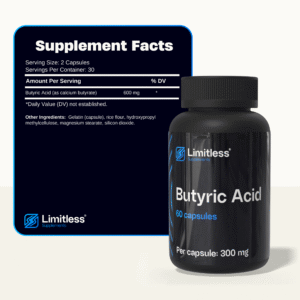
Tributyrin 300 mg is a specialized postbiotic dietary supplement dose designed to deliver butyrate—a vital short-chain fatty acid—directly to the colon to support gut lining health and digestion. [1]
Key Facts About Tributyrin 300 mg
- What it is: A triglyceride composed of three butyrate molecules attached to a glycerol backbone.
- How it works: Bypasses early upper GI breakdown to survive stomach acid and reach the large intestine more effectively than sodium butyrate.
- Primary uses: Supports intestinal barrier function, feeds colon cells, and promotes digestive regularity.
- Common formulations: Often sold as pure trademarked ingredients like CoreBiome™ or combined in complexes like ButyraBoost with fiber. [1, 2, 3, 4]
If you are considering this supplement, would you like to know about potential side effects, how to take it with food, or the difference between sodium butyrate and tributyrin?
What are the benefits of taking tributyrin?
Tributyrin is a specialized postbiotic supplement and butyrate precursor that efficiently delivers beneficial butyrate directly into the large intestine. Unlike direct butyrate salts, tributyrin resists harsh upper digestive juices, lacks an unpleasant odor, and effectively supports gut barrier function, reduces inflammation, and promotes a balanced microbiome.
National Institutes of Health (NIH) | (.gov) +4
Digestive and Gut Health
- Strengthens gut barrier: Fuels colon cells to tighten cellular junctions, helping to prevent a “leaky gut”.
- Relieves GI discomfort: Helps ease occasional bloating, gas, cramping, and erratic bowel movements.
- Microbiome balance:
Encourages the growth of helpful bacteria while suppressing harmful pathogens.
Cleveland Clinic Health Essentials +5
Systemic and Metabolic Support
- Reduces inflammation: Lowers systemic inflammatory markers and calms hyperactive immune responses.
- Metabolic wellness: Supports healthy insulin sensitivity and balanced glucose metabolism.
- Gut-brain axis: May help protect neurological tissue and mitigate gut-driven neuroinflammation (“brain fog”).
Who shouldn’t take tributyrin?
While tributyrin is generally safe for most people as a dietary supplement [6.8], pregnant or breastfeeding individuals, people with severe fat malabsorption or lipase deficiencies, and those with extreme gastrointestinal hyper-reactivity or severe SIBO/IBS should exercise caution or avoid it unless advised by a doctor.
 Substack·Lucy Mailing, PhD +3
Groups Who Should Exercise Caution
- Pregnant or Breastfeeding Individuals: There is a lack of robust human safety data for high-dose butyrate/tributyrin during pregnancy and lactation, leading health experts to advise avoidance.
 Cleveland Clinic Health Essentials
- Severe Digestive Sensitivities: People with active, highly sensitive guts, severe bloating, or rapid/painful shifts in bowel motility may experience aggravated digestive discomfort.
Cleveland Clinic Health Essentials
- History of Neoplastic Growth or Specific Cancers: Preclinical studies on specific types of butyrate supplementation have raised theoretical concerns regarding tumor progression or crypt hypertrophy in distinct experimental models, meaning anyone with an active cancer diagnosis should consult an oncologist first.
National Institutes of Health (NIH) | (.gov)
General Precautions
- Start Low: If you have a sensitive digestive system, introducing any short-chain fatty acid supplement should be done gradually.
- Check Ingredients: Ensure the product does not contain hidden allergens or fillers that conflict with your dietary needs.
Substack·Lucy Mailing, PhD +2

Avis
Il n’y a pas encore d’avis.